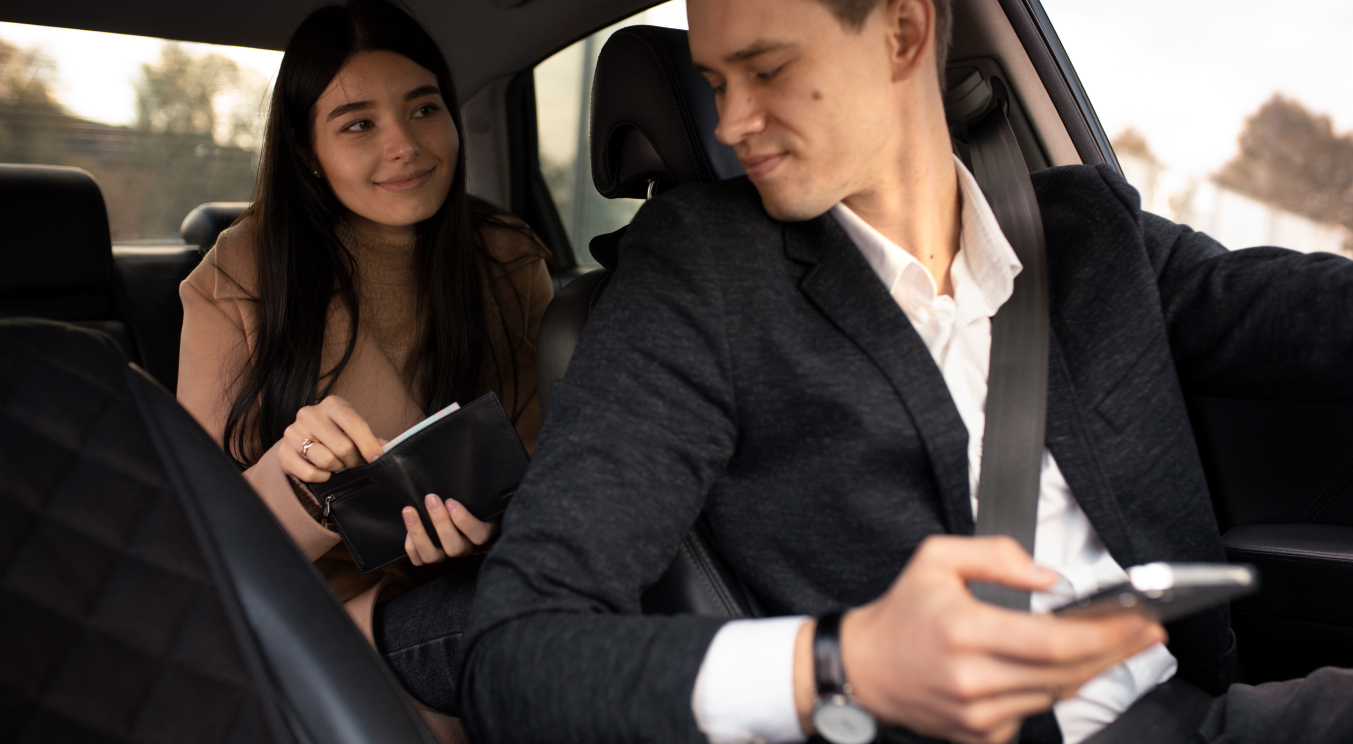
According to the Globe and Mail, there are 52,000 ride sharing drivers in Canada, carrying thousands of passengers per day. If you’re among them, you may wonder what would happen if you were involved in a personal injury accident while using a ride sharing service, and who would cover the costs of the accident. As you’ll see, the answer isn’t always straightforward.
Insurance Coverage of Ride Sharing Apps
In years past, Uber and other ride sharing services received criticism for not insuring their drivers. While personal auto insurance was required of the drivers, these insurance companies did not want to cover the risk of ride sharing, and wrote these apps out of their policies.
As a result, in Canada, some ride sharing programs now offer insurance to their drivers. For example, Uber provides coverage for drivers starting when they accept your trip until the trip is finished. If the driver pulls out of your driveway before they have accepted another call, and gets into an accident, damage from that accident may not be covered. However, if you are in the vehicle, the accident should be covered.
What to Do If You’re in An Accident with Uber, Lyft, or Other Ride Sharing Services
How do you protect yourself after a ride-sharing accident? Here’s what you should do to ensure you get insurance coverage for any injury.
1. Assess Safety
After an accident, make sure everyone is safe and unharmed. Call the police and an ambulance if necessary. If you have been harmed, take photos of your injuries and be sure they are noted in any police or paramedic report.
2. Collect Information
While you’re still on the scene of the accident, you need to collect some information so that your lawyer can determine which insurance company is responsible for the costs of the accident. Write down all of this information so you won’t forget any details:
- Licence plate, colour, make and model of each vehicle involved in the accident
- Name and contact information for both drivers and any witnesses
- A short description of the accident (writing this down will keep the details fresh in your mind)
- Name of all insurance companies, including the personal auto insurance company of your driver.
3. Report Accident to the App
Uber requests that passengers report the accident through their app. Other ride sharing services may do the same. If so, log into the app and find the option to report the incident. If you’re using Uber, this will be under “Trip Issues and Fair Adjustments.” An Uber representative may call you, requesting the information you collected.
4. Obtain Legal Representation
Employees of the ride sharing app you use may be very helpful, however they may not act in your best interests. Ride sharing apps have a history of attempting to shift the responsibility from their company, and if they do so, you may not have coverage for the accident.
The wisest course of action is to get a personal injury lawyer involved in your case. We can make sure that you’re pursuing the right insurance company, properly. If you have been in a ride-sharing accident, contact Zayouna Law today. Unlike the driver and ride-sharing service, we’ll work in your best interests.